Saturday Citations: Intermittent fasting and chronic stress; macroscopic entanglement; gamma-ray bursts - Phys.org
Researchers reported this week a deadly outbreak of plague in Siberia 5,500 years ago, revealing that Yersinia pestis evolved lethal genetic traits far earlier than suspected. A drug developed for heart tissue repair may also help kidney tissue repair and reg…
Trending Stories
Scientists say the West Antarctic Ice Sheet could collapse with very little additional warming and the four metres of sea level rise that would follow cannot be stopped once it begins - Space Daily
Loading...Saturn’s Icy Moon Is the Perfect Place to Settle, NASA Scientist Argues - Futurism
Loading...Enceladus, a tiny Saturnian moon only about 500 kilometres wide, is actively venting water vapour and ice grains into space from a salty ocean hidden beneath its crust — and modelling suggests that ocean may have remained warm and chemically active for - Space Daily
Loading...Latest Headlines
 News
News
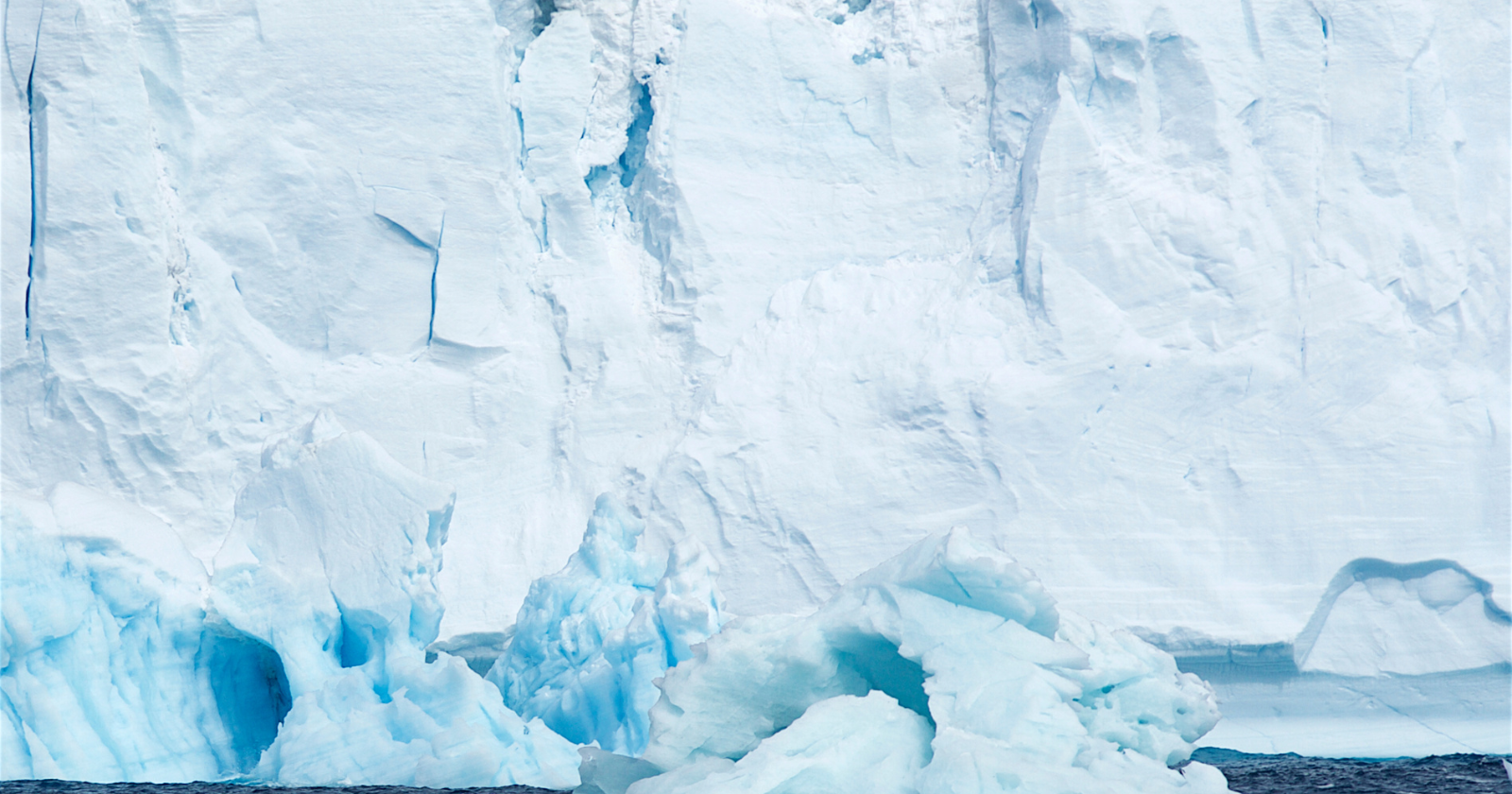
Scientists say the West Antarctic Ice Sheet could collapse with very little additional warming and the four metres of sea level rise that would follow cannot be stopped once it begins - Space Daily
A modelling study published in Communications Earth & Environment in June 2025 found that the West Antarctic Ice Sheet could begin an irreversible collapse at ocean temperatures between zero and 0.25°C above current levels — meaning the threshold may have alr…
 News
News
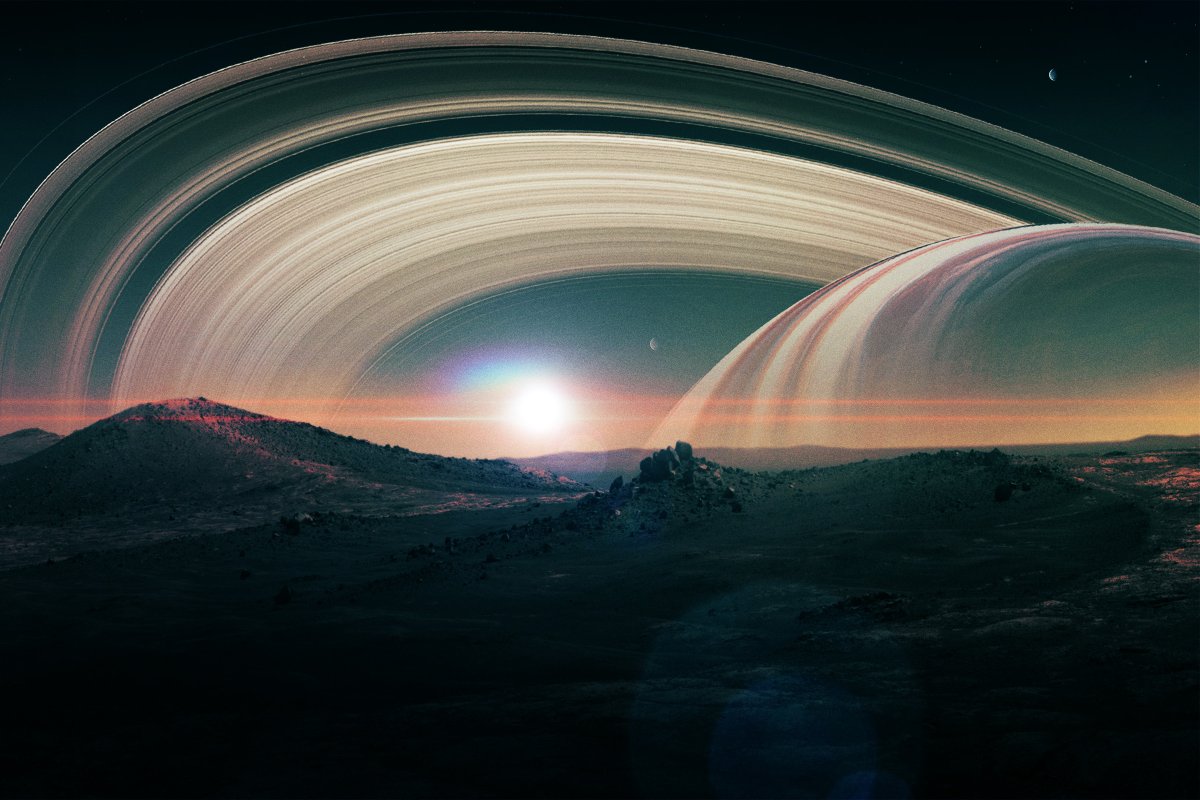
Saturn’s Icy Moon Is the Perfect Place to Settle, NASA Scientist Argues - Futurism
Saturn's icy moon Titan is extremely abundant in important hydrocarbons, making it a great place to settle, a NASA scientist argues.
 News
News
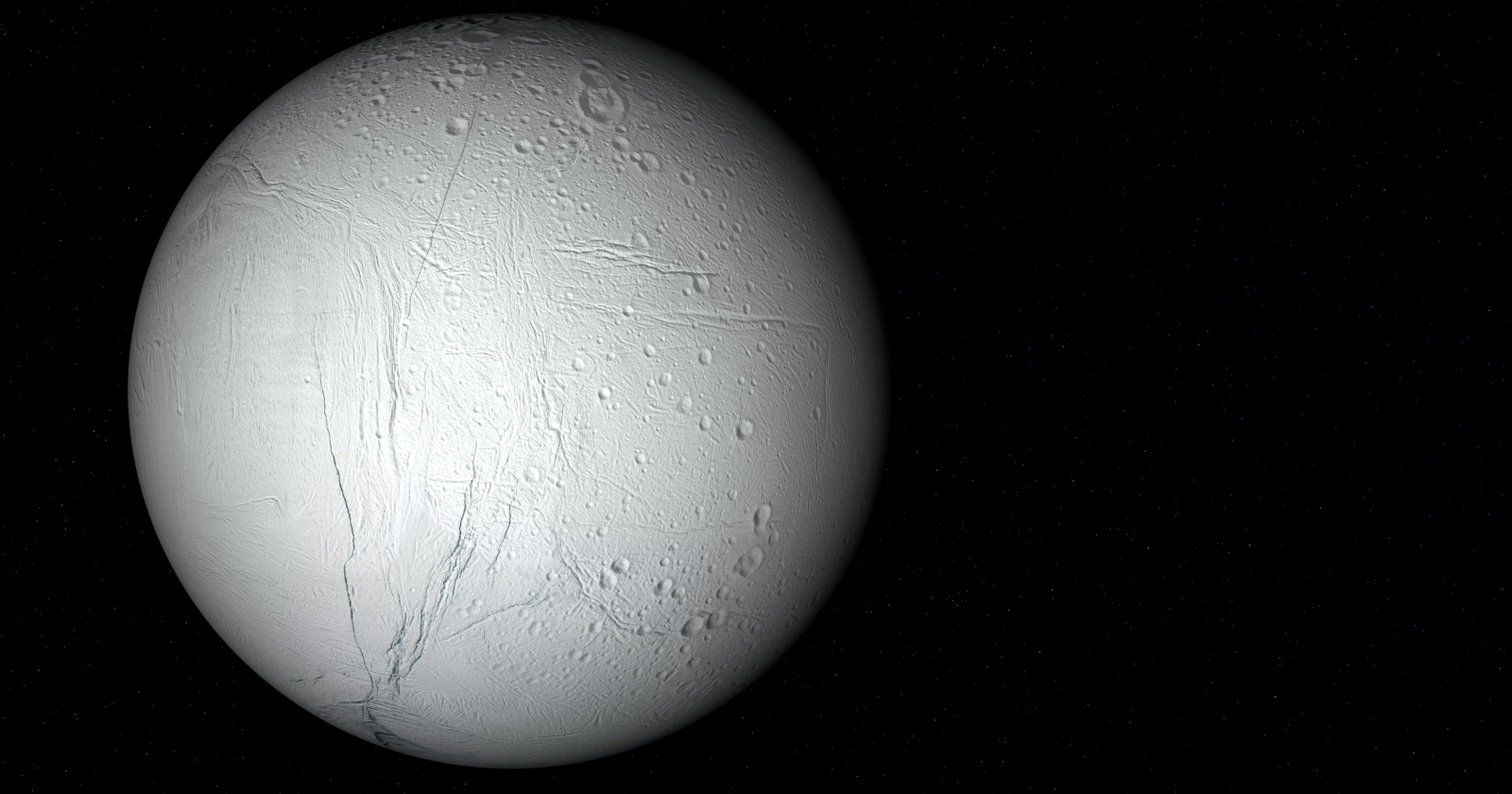
Enceladus, a tiny Saturnian moon only about 500 kilometres wide, is actively venting water vapour and ice grains into space from a salty ocean hidden beneath its crust — and modelling suggests that ocean may have remained warm and chemically active for - Space Daily
Cassini found Enceladus venting its hidden salty ocean into space, complete with organics, hydrogen pointing to hydrothermal vents, and phosphorus. Modelling suggests the ocean could be long-lived and warm. But habitable conditions are not the same as life, a…
 News
News
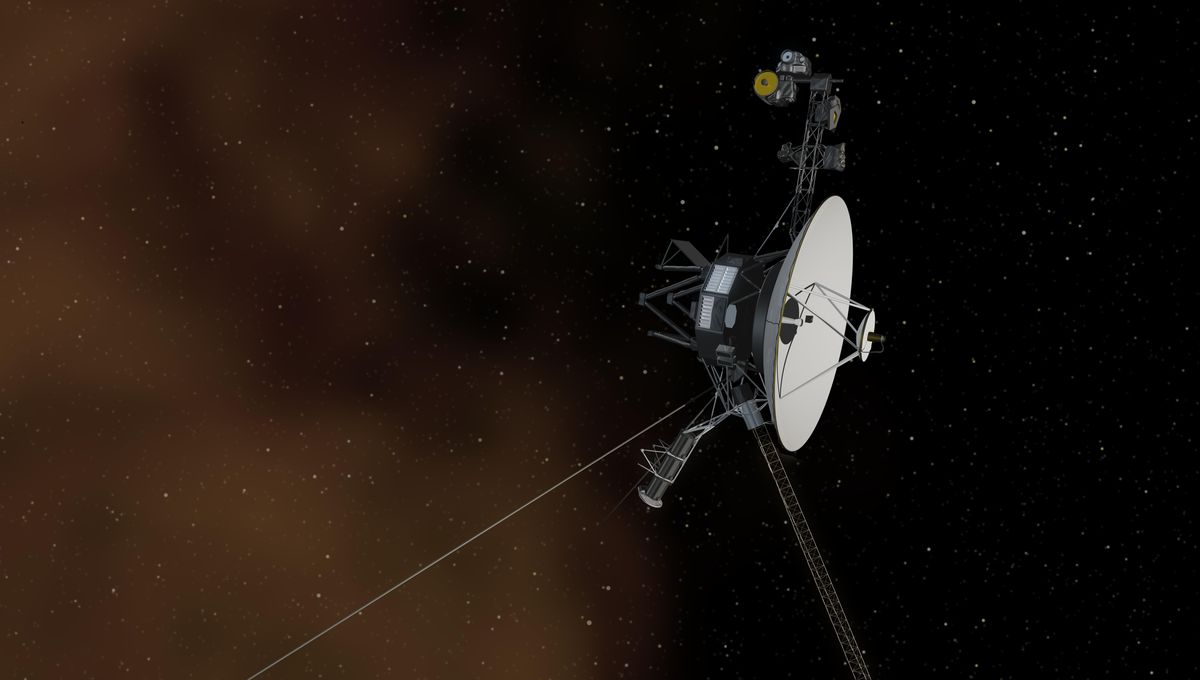
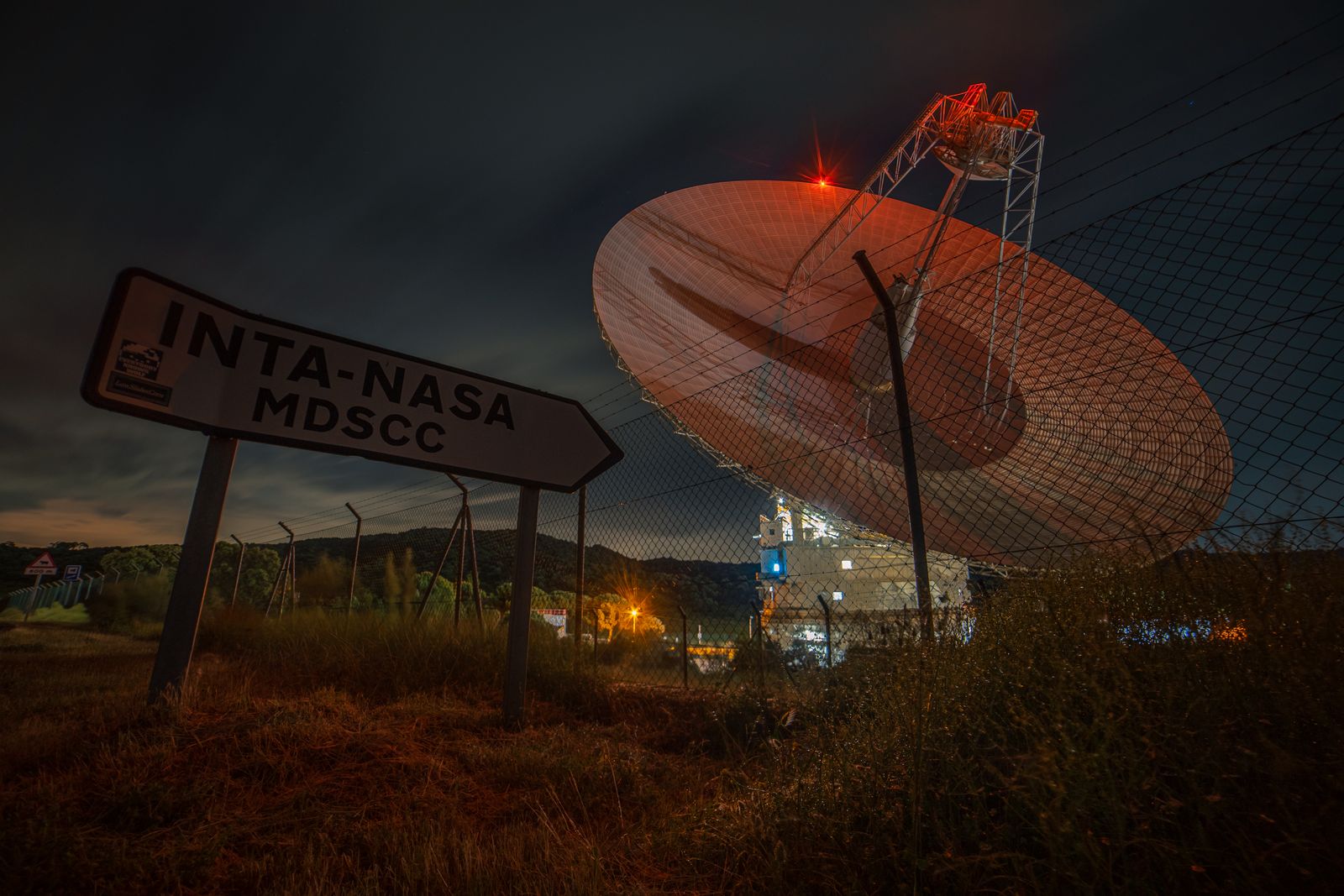
It's Official: Voyager 1 Will Break A Cosmic Record, Reaching 1 Light-Day From Earth On November 18, 2026 - IFLScience
IFLScience has confirmed with NASA when Voyager 1 will be a cosmic record-breaking 1 light-day from Earth.
 News
News
In late 2023, Voyager 1 began sending unreadable data from interstellar space. NASA engineers eventually traced the fault to corrupted memory in one of the probe’s computers, rewrote part of its 46-year-old software, transmitted the fix across more than 24 bil - Space Daily
A single failed memory chip corrupted about 3% of Voyager 1's flight data subsystem in November 2023. Engineers relocated the affected 1970s code around the damage, sent the fix across 24 billion km, and got readable data back on 20 April 2024 after a 45-hour…
 News
News
Consciousness Could Exist in Bodies Nothing Like Ours, Researchers Say - ScienceAlert
Here's a question that sounds like science fiction but is being asked in deadly earnest by serious philosophers.
 News
News
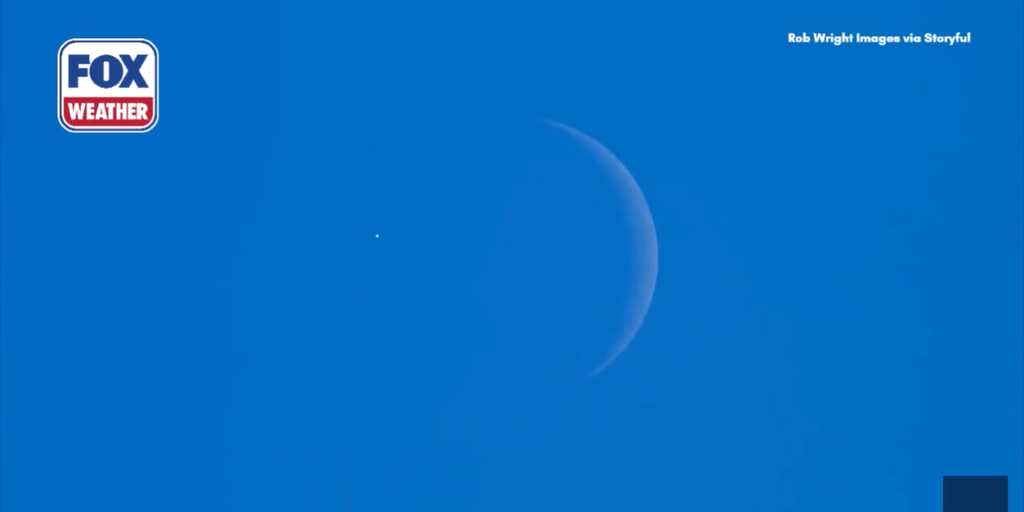
Point Nemo sits so far from any coastline that the closest humans to it are often the astronauts aboard the International Space Station passing overhead, not anyone standing on land. - Space Daily
Point Nemo, the oceanic pole of inaccessibility, lies more than 2,688 km from the nearest (uninhabited) land. When the ISS passes overhead at about 400 km, its crew is often the closest humans. The same emptiness makes it the chosen graveyard for deorbited sp…
 News
News
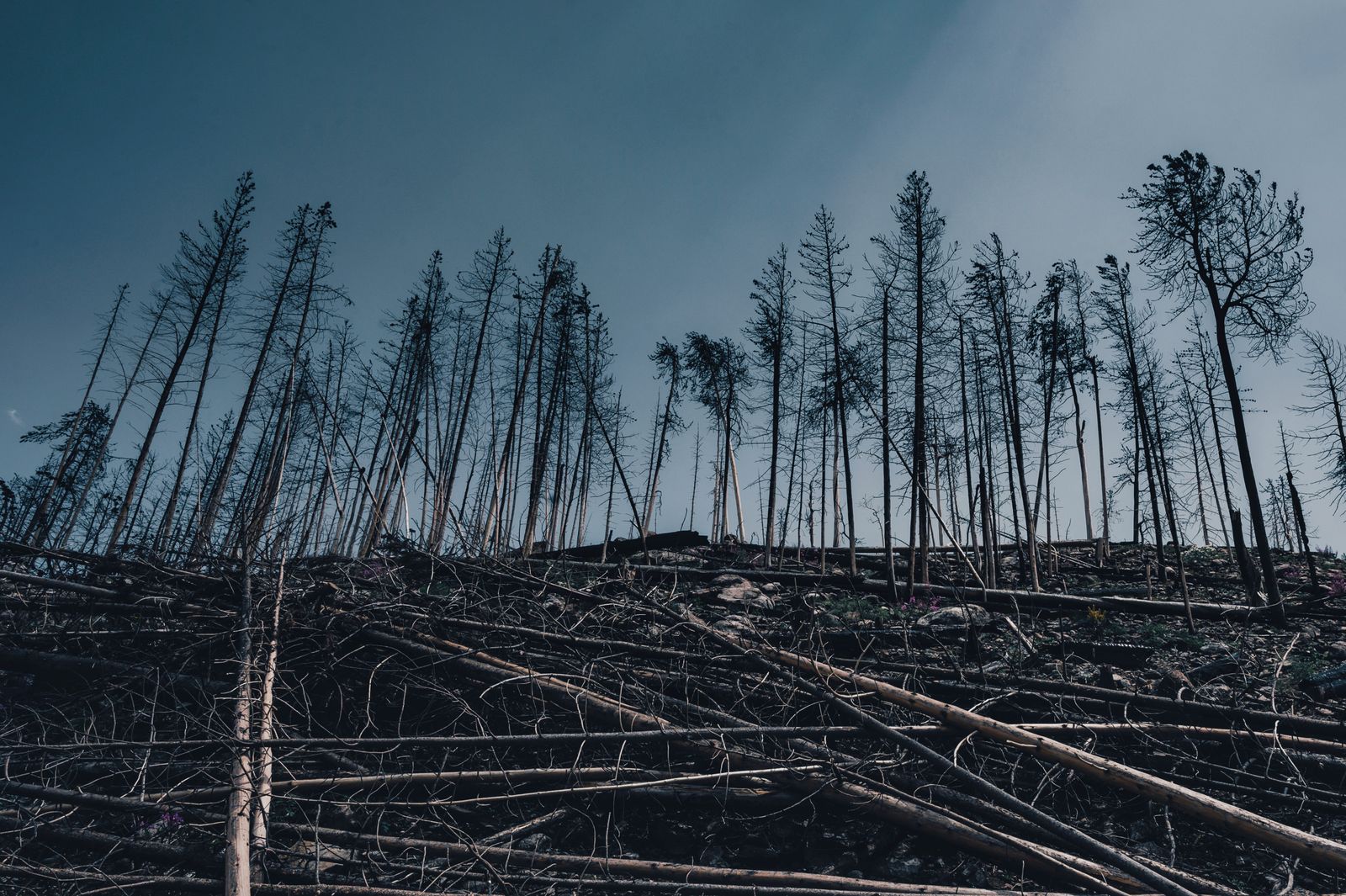
Watch: Venus disappears behind the moon in stunning timelapse of rare, daytime lunar occultation - FOX Weather
A rare daytime lunar occultation unfolded Wednesday as Venus briefly disappeared behind the Moon in a celestial event visible across much of North America.
 News
News
In 1908, something exploded above the remote Siberian forest of Tunguska with enough force to flatten roughly 2,000 square kilometres of trees — and more than a century later, no impact crater has ever been found, because the object, probably a small aster - Space Daily
The 1908 Tunguska event flattened ~2,000 sq km of Siberian forest and left no crater. The reason is an airburst: a stony asteroid that disintegrated several kilometres up. What the evidence shows, what is still argued, and why a century-old blast still drives…
 News
News
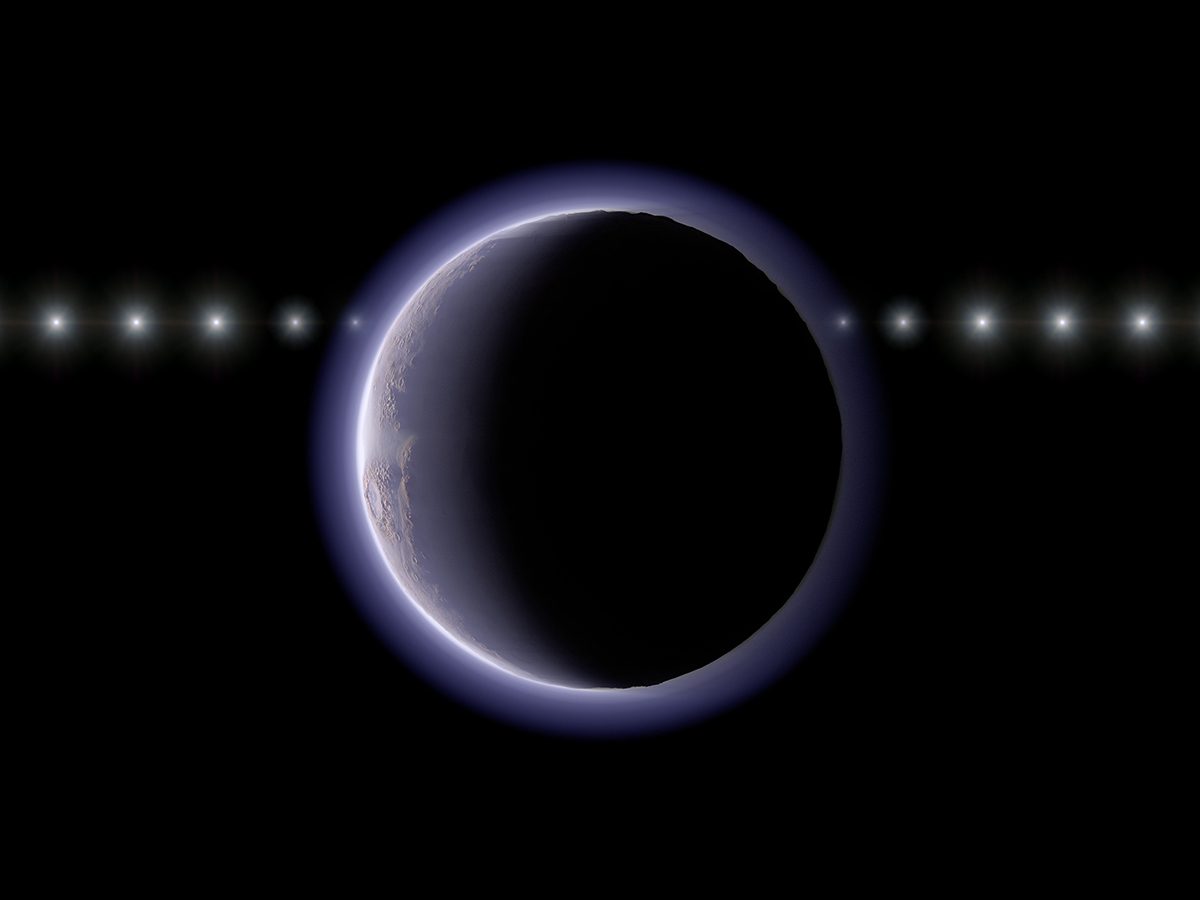
A body on the edge of our Solar System has an atmosphere – and scientists still aren't sure how that's possible - BBC Sky at Night Magazine
An object known as (612533) 2002 XV93, lies in the Kuiper Belt and is 500km (310 miles) wide. And astronomers found an atmosphere round it.
 News
News
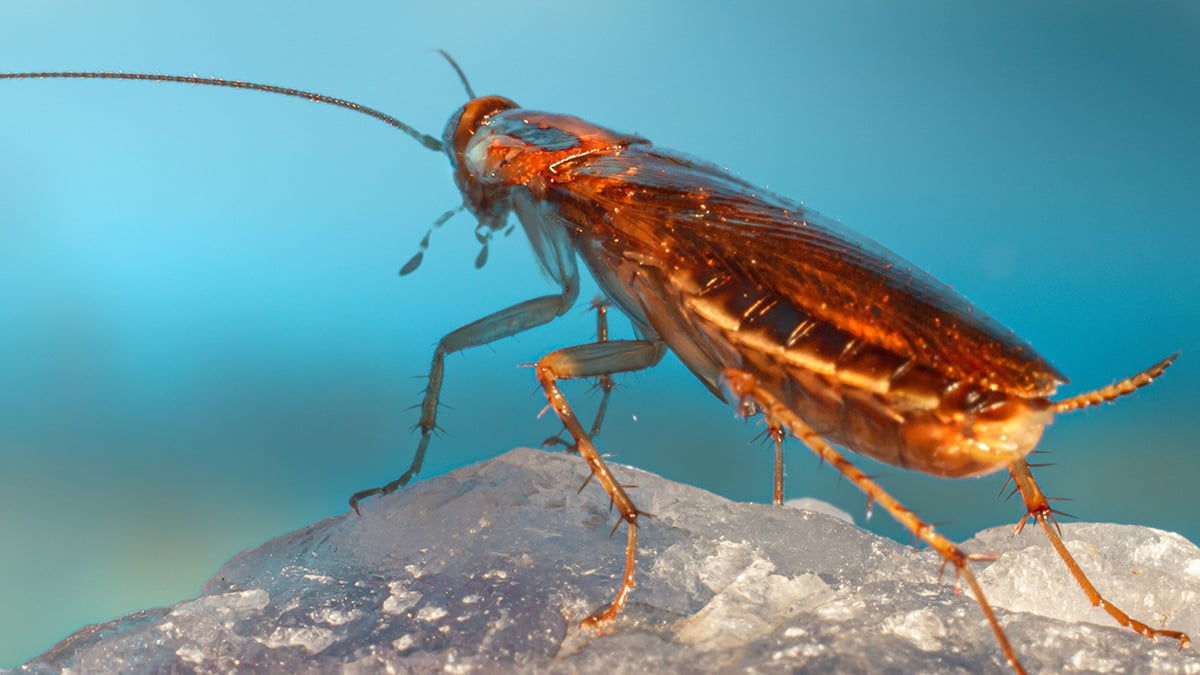
Cockroaches Have Been Hiding a DNA Secret For Millions of Years - ScienceAlert
Cockroaches tend to be thought of as the creatures that keep on living through anything, in part due to their DNA – which can code for all kinds of useful survival tricks, from neutralizing toxins to limb regeneration.
 News
News
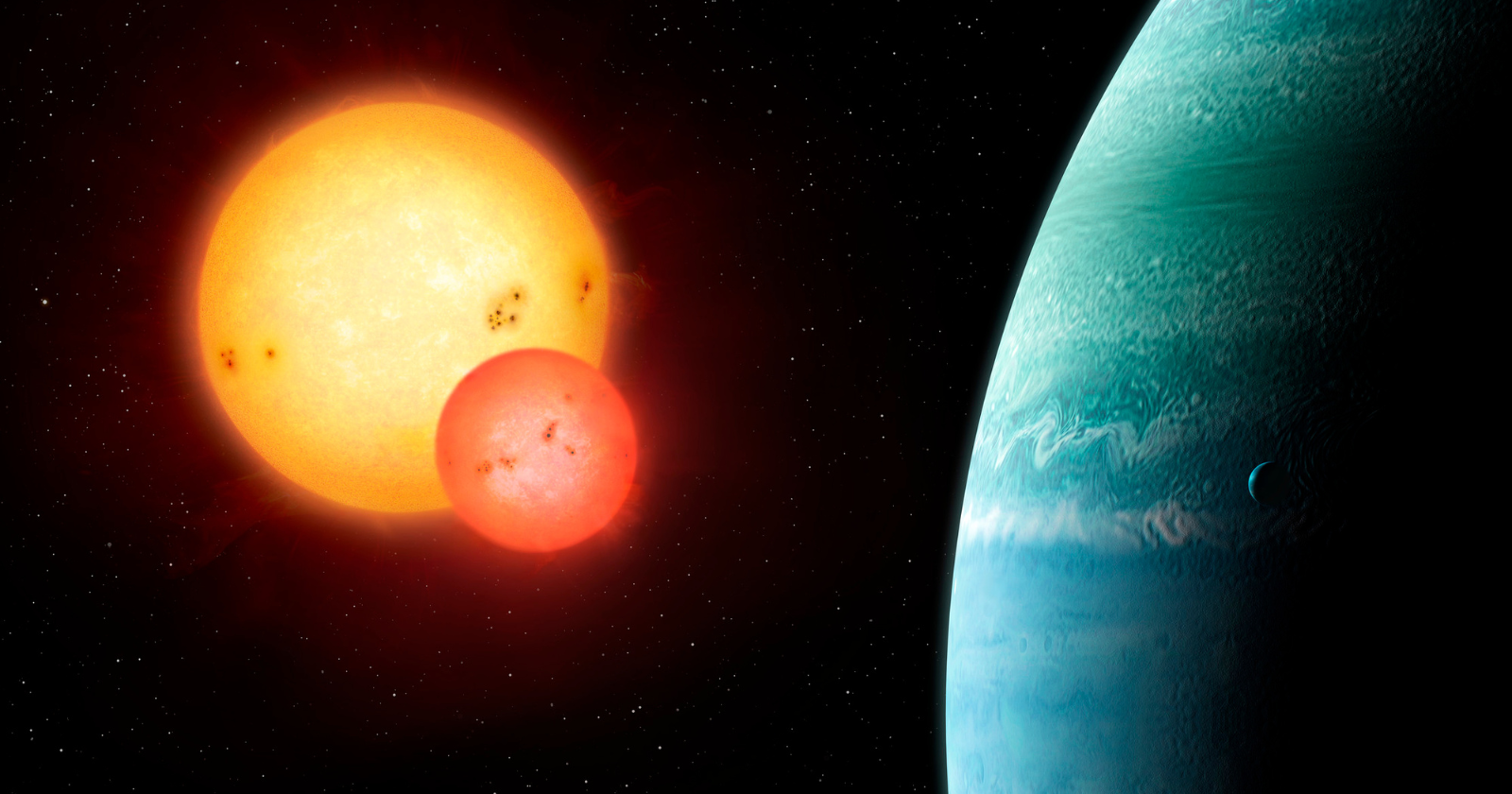
An exoplanet with a daytime temperature hot enough to vaporize iron has methane on its nightside because of an atmospheric circulation that should not be able to exist at that heat - Space Daily
A team led by Thomas Evans-Soma of the Max Planck Institute for Astronomy in Heidelberg has published observations of the exoplanet WASP-121b that complicate the existing picture of how chemistry moves through an ultra-hot atmosphere. Using the James Webb Spa…
 News
News
The Sun may not engulf Earth after all, scientists say - Phys.org
Need some good news on a Friday after a long week? The Earth may not be engulfed by the expanding fireball of the dying sun, which has long been assumed to be our home planet's ultimate fate, according to scientists.
 News
News
Some tropical butterfly species have unlocked an evolutionary way to live longer - CNN
A tropical butterfly from the Heliconius tribe has evolved to live a maximum lifespan of 348 days, nearly 25 times longer than its relatives.
Official Partners